Karakol is located on the eastern shore of Issyk-Kul Lake at the foot of the Terskey Ala-Too Mountains. Today, it is considered the main center of outdoor adventure tourism in Kyrgyzstan and the largest tourism hub in the eastern part of the lake.
Unlike Cholpon-Ata, which is primarily known for beach holidays, Karakol attracts visitors throughout the year. During summer, it serves as the gateway to some of Kyrgyzstan’s most famous mountain destinations, while in winter it transforms into one of Central Asia’s leading ski tourism centers.
The city’s unique atmosphere comes from its multicultural heritage. For generations, Kyrgyz, Dungan, Uyghur, Russian, and other communities have lived side by side here. As a result, Karakol has earned a reputation as the culinary capital of Issyk-Kul. Visitors can sample several national cuisines in a single day, including dishes rarely found elsewhere in Kyrgyzstan.
Today, Karakol appeals equally to history enthusiasts, hikers, food lovers, cultural travelers, and adventure seekers.
History of Karakol
The history of Karakol began long before the modern city was founded. For centuries, these lands formed part of the nomadic world of Central Asia. During winter, Kyrgyz tribes migrated closer to the shores of Issyk-Kul, while in summer they moved to the high-altitude pastures of the Terskey Ala-Too Mountains.
Thanks to its strategic location between the mountains and the lake, the area became an important crossroads of regional trade routes and frequently attracted the attention of competing states seeking control of the region.
In 1831, forces of the Kokand Khanate arrived to establish authority over Issyk-Kul and the trade routes of the Eastern Tian Shan. The following year, several small fortresses were built to collect taxes and administer the region. One of these settlements became known as Karakol, named after the river flowing through the valley.
The rule of Kokand proved short-lived. In 1843, local Kyrgyz tribes successfully revolted and regained their independence. However, geopolitical pressures remained. While the threat of Kokand persisted, the influence of the Qing Empire from present-day China continued to grow. Seeking stability and protection, many Kyrgyz tribes accepted the authority of the Russian Empire in 1855.
In 1863, the first Russian military outpost appeared near the future city. On July 1, 1869, construction officially began on the settlement of Karakol, which soon became the administrative center of eastern Issyk-Kul.
Due to its strategic position, Karakol quickly developed into a base for explorers of Central Asia. Numerous scientific expeditions to the Tian Shan, China, and Tibet departed from here. Travelers, geographers, military officers, and scientists used the city as a starting point for research into one of the least explored regions of the world at that time.
Nikolai Przhevalsky and His Final Expedition
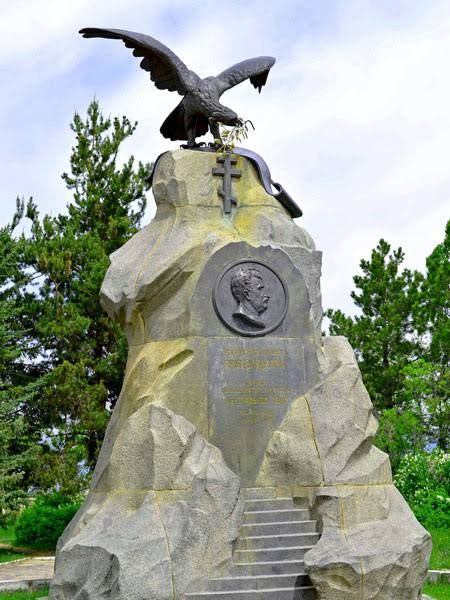
Karakol is closely connected with the life of the famous 19th-century explorer Nikolai Mikhailovich Przhevalsky.
Throughout his career, he conducted major expeditions across Mongolia, Tibet, the Gobi Desert, and the interior of China. His discoveries brought international recognition, and numerous geographic features and animal species were later named in his honor.
In 1888, Przhevalsky arrived in Karakol while preparing for his fifth expedition to Tibet. Shortly before departure, he contracted typhoid fever. His condition deteriorated rapidly, and he died at the age of 49.
According to his final wishes, he was buried on the shores of Issyk-Kul. Today, his grave lies approximately 12 kilometers from Karakol and forms part of a memorial complex and museum visited by thousands of tourists every year.
His death was a major event within the scientific community of the Russian Empire. In 1889, the city was renamed Przhevalsk in his honor.
The name remained in use for most of the 20th century. Although the historical name Karakol was briefly restored in 1922, the city was renamed Przhevalsk again in 1939 for the centenary of the explorer’s birth.
Following Kyrgyzstan’s independence, the historical name Karakol was permanently restored in 1992.
Interesting Facts About Karakol
City of Four Seasons
Karakol is one of the few destinations in Kyrgyzstan that attracts visitors year-round.
Summer is ideal for mountain lakes, trekking, and outdoor adventures. Autumn offers colorful landscapes and mineral springs. Winter brings skiing and snowboarding opportunities, while spring is perfect for sightseeing and blooming valleys.
The Most Multicultural City of Issyk-Kul
For generations, Kyrgyz, Dungan, Uyghur, Russian, and other ethnic communities have lived together in Karakol.
This diversity has created a unique cultural environment where Orthodox churches, Dungan mosques, Uyghur restaurants, and Kyrgyz traditions coexist harmoniously.
Karakol Airport
In recent years, Karakol Airport has resumed domestic operations, making travel across Kyrgyzstan easier and improving access to the eastern Issyk-Kul region.
Top Attractions in Karakol
Dungan Mosque
The Dungan Mosque is one of the most distinctive religious buildings in Kyrgyzstan.
Constructed in the early 20th century by craftsmen from China who arrived with Dungan settlers, the mosque was assembled without the use of metal nails.
Its architecture resembles a traditional Chinese temple more than a typical mosque. Bright colors, curved roofs, and intricate wooden carvings make it one of Karakol’s most recognizable landmarks.
Holy Trinity Cathedral
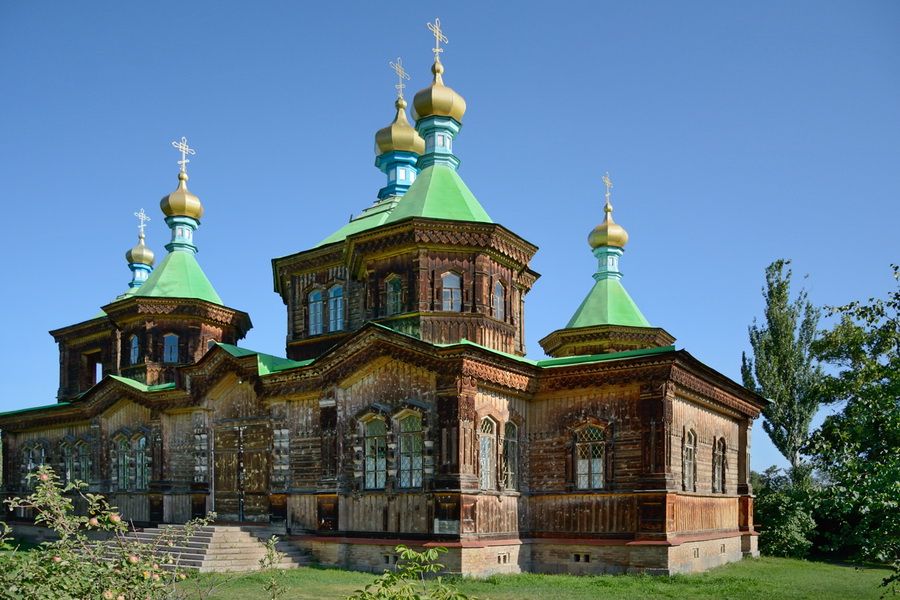
Holy Trinity Cathedral is the city's main Orthodox church.
The first version of the church appeared during the late 19th century shortly after the city’s founding.
Throughout its history, the cathedral survived earthquakes, revolutions, and the Soviet era. Today, it remains an active place of worship and an important architectural monument.
Przhevalsky Museum
Located on the shores of Issyk-Kul near Przhevalsky’s burial site, the museum showcases the explorer’s life, expeditions, and discoveries.
For many visitors, the museum offers a fascinating glimpse into the age of great geographic exploration when vast areas of the Tian Shan and Tibet remained largely unknown to the outside world.
Karakol Cuisine
Dungan Ashlyan-Fu
Ask almost anyone in Kyrgyzstan where to find the best Ashlyan-Fu, and most will answer: Karakol.
Introduced by the Dungan community, this cold noodle dish has become the city's culinary symbol. Spicy sauce, starch noodles, and a distinctive blend of seasonings create a flavor unlike any other dish in Central Asia.
Many travelers visit Karakol specifically to try authentic Ashlyan-Fu prepared using traditional family recipes.
Uyghur Cuisine
The Uyghur community has made a significant contribution to Karakol’s food culture.
Visitors can enjoy homemade laghman, manti, goshnan, and other dishes prepared according to recipes passed down through generations.
Kyrgyz Cuisine
Traditional Kyrgyz dishes such as Beshbarmak, Kuurdak, Boorsok, and Kumis are available throughout the city in ethnic restaurants and traditional yurt dining experiences.
Food Tours and Cooking Classes
Karakol is widely regarded as the culinary capital of Issyk-Kul.
Travelers can participate in Kyrgyz yurt dinners, dine with Dungan or Uyghur families, join laghman cooking classes, sample traditional pastries, watch folklore performances, and experience local hospitality through food.
Winter in Karakol
Karakol Ski Resort
When the beach season at Issyk-Kul ends, Karakol becomes Kyrgyzstan’s premier winter sports destination.
Karakol Ski Resort is located approximately 15 kilometers from the city at an elevation of more than 2,300 meters above sea level.
Thanks to reliable snow conditions, conifer forests, and a long ski season, the resort attracts skiers and snowboarders from Kyrgyzstan, Kazakhstan, Uzbekistan, and beyond.
The season typically runs from December through March. Accommodation often sells out during January holidays, making advance booking highly recommended.
Why Skiers Love Karakol
One of the resort’s greatest advantages is its variety of slopes suitable for both beginners and advanced riders.
Many enthusiasts consider Karakol’s terrain among the best in Central Asia due to its long runs, elevation changes, and stunning views of Issyk-Kul and the Terskey Ala-Too Mountains.
Another major advantage is its affordability compared with many ski resorts in Kazakhstan and Europe.
Ak-Suu Hot Springs in Winter
During winter, Ak-Suu Hot Springs become one of the most unique experiences in the Issyk-Kul region.
Imagine soaking in warm mineral water while snow covers the surrounding mountains and steam rises into the cold mountain air.
Many visitors come here after a day on the ski slopes, making the hot springs the perfect way to relax and recover.
Summer in Karakol
Altyn Arashan
Altyn Arashan is one of Kyrgyzstan’s most famous mountain valleys.
Visitors come for its hot springs, Tian Shan spruce forests, and traditional yurt camps.
Most travelers either visit on a day trip or include it as part of a multi-day trek toward Ala-Kul Lake.
Ala-Kul Lake
Located at more than 3,500 meters above sea level, Ala-Kul is famous for its striking turquoise waters.
Most trekking routes require two to three days and a good level of fitness, making Karakol the primary base for hikers heading to the lake.
Jeti-Oguz Gorge
Located a short drive from the city, Jeti-Oguz is known for its iconic red rock formations known as Seven Bulls and Broken Heart.
The area also offers beautiful jailoos (summer pastures), horse riding routes, and scenic mountain landscapes.
Ak-Suu Hot Springs in Summer
During summer, Ak-Suu Hot Springs are a popular stop after visiting Altyn Arashan, Jeti-Oguz, or Ala-Kul.
Warm mineral waters provide relaxation and recovery after long days of hiking and outdoor exploration.
Kayaking and Outdoor Activities
Summer visitors can enjoy kayaking on Issyk-Kul Lake, rafting on mountain rivers, cycling routes, horseback riding, jeep tours, and numerous trekking programs.
For this reason, Karakol is often called the adventure tourism capital of Kyrgyzstan.
Where to Stay
Hotels
Karakol offers a wide selection of accommodation, ranging from budget hotels to comfortable modern properties with high service standards.
Guesthouses
Family-run guesthouses are especially popular among international travelers.
They provide opportunities to experience local hospitality, receive travel advice, and enjoy homemade meals.
Ski Hotels
During winter, many visitors prefer accommodation near Karakol Ski Resort to minimize travel time to the slopes.
What Do Local Residents Do?
Tourism
Tourism is one of the city’s most important economic sectors. Many residents work as guides, tour operators, hotel owners, and restaurant managers.
Agriculture
Livestock farming and agriculture remain important industries in the surrounding region, with many families continuing traditional farming practices.
Handicrafts and Culinary Traditions
Karakol is known for traditional crafts, handmade souvenirs, and cultural projects that showcase the diverse heritage of Issyk-Kul’s communities.
Things to Do in Karakol
Visitors can easily spend anywhere from one day to an entire week exploring Karakol.
A typical itinerary may include the Dungan Mosque, Holy Trinity Cathedral, Przhevalsky Museum, and a tasting of authentic Ashlyan-Fu.
Nature lovers should reserve several days for Altyn Arashan, Ala-Kul Lake, Jeti-Oguz Gorge, and Ak-Suu Hot Springs.
Winter visitors focus on skiing and snowboarding, while summer travelers enjoy hiking, horseback riding, kayaking, and off-road adventures.
Useful Travel Tips
- Book accommodation early if visiting during the winter holiday season.
- Do not leave Karakol without trying authentic Ashlyan-Fu.
- Bring warm clothing for mountain excursions, even during summer.
- Reserve yurt camps in Altyn Arashan in advance.
- Many outdoor destinations are easier and safer to visit with a local guide.
- Use Karakol as your primary base for exploring eastern Issyk-Kul.
Frequently Asked Questions
When is the best time to visit Karakol?
Karakol is a year-round destination. Summer is best for hiking and sightseeing, while winter is ideal for skiing and snowboarding.
How many days should I spend in Karakol?
One day is enough to explore the city itself, but three to five days are recommended for nearby natural attractions.
Is Karakol suitable for families?
Yes. The city offers museums, historical sites, parks, cultural attractions, and family-friendly outdoor activities.
Tours
Karakol is the perfect gateway to eastern Issyk-Kul and the mountains of Kyrgyzstan.
From here, travelers can easily reach Ala-Kul Lake, Altyn Arashan, Jeti-Oguz Gorge, Ak-Suu Hot Springs, and many other spectacular destinations.
The Ulush Travel team organizes everything from day tours to multi-day adventures, including trekking expeditions, horseback riding programs, cultural experiences, and customized journeys through some of Kyrgyzstan’s most beautiful landscapes.